
A Guide to Door Entry Systems in Cardiff: Types, Technology, and Selection
Physical security starts at the perimeter of a property. Whether managing a multi-occupancy residential building, an office complex, or a industrial facility, controlling who enters a site is essential for safety, asset protection, and operational efficiency.
Modern access management relies heavily on digital and electronic physical entry solutions. For property managers, business owners, and landlords researching door entry systems in Cardiff, understanding the available technologies, their features, and how they integrate into broader security strategies is the first step toward securing a building.
What is a Door Entry System?
A door entry system is an electronic mechanism that regulates physical access to a building or specific internal areas. At its core, the technology verifies the identity or authorization of an individual before unlocking an entryway, such as a front door, turnstile, or vehicle gate.
Unlike traditional mechanical lock-and-key setups, door entry systems provide granular control over entry points. They eliminate the security risks associated with lost or duplicated physical keys and allow operators to grant, modify, or revoke access credentials instantly.
Primary Types of Door Entry Systems
Door entry technology varies based on the level of security required, the volume of traffic, and the architecture of the building. The most common configurations include:
1. Audio Intercom Systems
Audio intercoms allow a visitor to communicate with an occupant inside the building via two-way voice transmission. Once identity is verbally confirmed, the occupant presses a button on an internal handset or monitor to trigger an electric release lock. Audio intercoms are a reliable, cost-effective option for smaller residential blocks and commercial offices with lower security demands.
2. Video Intercom Systems
Video entry systems build upon audio intercoms by incorporating a camera at the call panel and a monitor inside the building. Visual verification adds an extra layer of protection, allowing occupants to confirm the identity of visitors and delivery personnel before granting entry. These systems are widely deployed in apartment complexes and corporate offices across urban centers.
3. Keypad and PIN Access Systems
Keypad systems require users to enter a numerical code on a physical or touchscreen interface to unlock a door. While simple to operate and economical, PIN systems are best suited for lower-risk internal doors or staff-only areas, as security can be compromised if codes are shared among unauthorized individuals.
4. Proximity Readers (Fobs and Smart Cards)
Proximity systems utilize Radio-Frequency Identification (RFID) or Near Field Communication (NFC) technology. Users present an encoded key fob or smart card near a reader installed adjacent to the door. These systems are popular in multi-tenant commercial buildings and large residential developments because fobs can be deactivated individually if lost or stolen.
5. IP and Smart Phone-Integrated Systems
Internet Protocol (IP) door entry systems connect directly to a facility's local area network (LAN) or the internet. They allow occupants to receive audio or video calls on smartphones, tablets, or desktop computers, enabling remote verification and door releasing from anywhere with an internet connection.
Security Context and Considerations in South Wales
Selecting appropriate entry controls requires evaluating local operational environments. Urban hubs experience varying levels of property crime, making physical perimeter controls a critical defense line. Recent statistics highlighting burglary hotspots in Wales emphasize the importance of robust access barriers in preventing opportunistic entry.
Implementing reliable door entry systems in Cardiff helps commercial enterprises and residential communities mitigate unauthorized access risks. Beyond preventing unwanted intrusions, controlled access creates a clear log of who enters and exits a facility, supporting health and safety compliance, roll calls during emergencies, and internal audit processes.
Integrating Entry Systems with Wider Security Infrastructure
A standalone entry panel provides baseline protection, but maximum security is achieved when door entry systems are integrated into a broader facility management network:
- CCTV Integration: Linking intercoms or card readers to closed-circuit television (CCTV) cameras ensures that high-resolution footage is captured whenever an entry attempt is made or a door is forced open.
- Intruder Alarms: Entry points can be synchronized with alarm systems to alert security staff or monitoring stations if a door is held open past a designated timeframe.
- Gate Automation: For sites with vehicle perimeters, entry control hardware can be adapted to manage automated gates, barriers, and bollards alongside pedestrian doors.
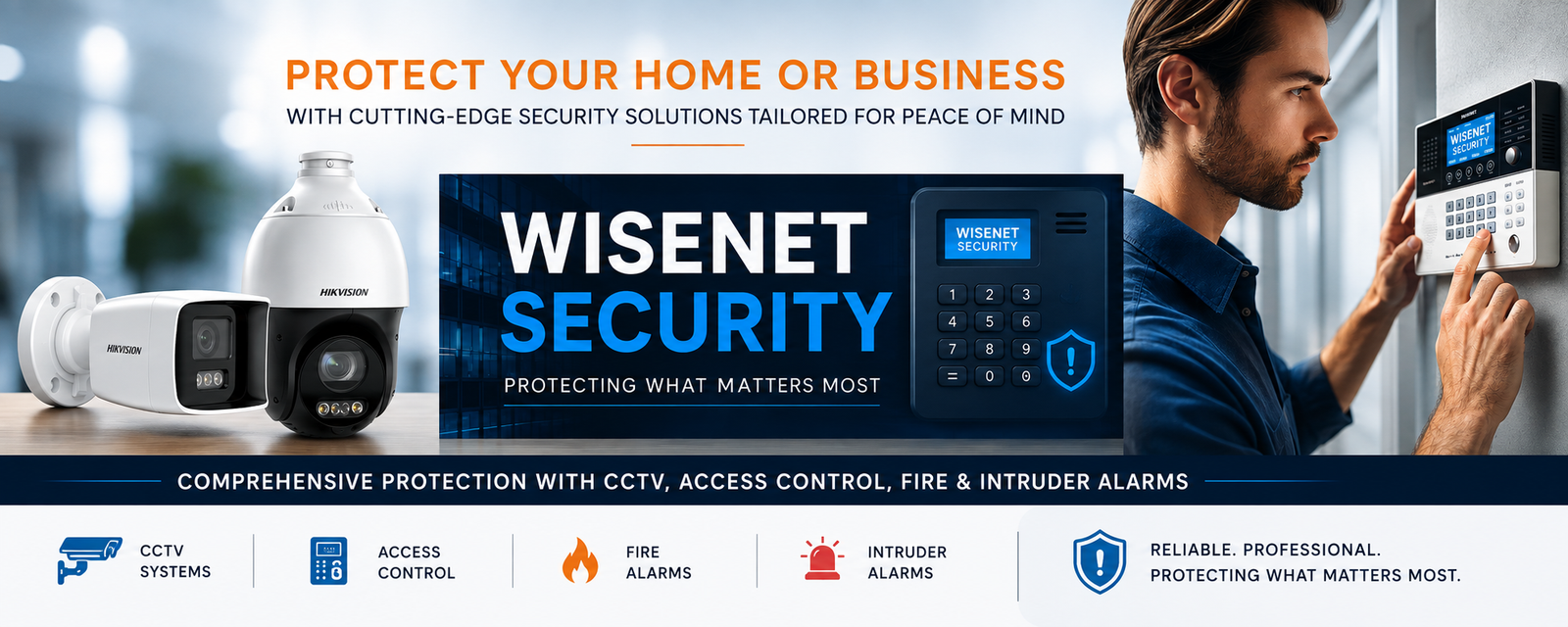
When planning an upgrade or installation, property managers often consult specialized engineers to assess site geometry, wiring infrastructure, and user requirements. Companies such as wisenet security Ltd provide, install, and maintain tailored security systems—including access control, CCTV, intruder alarms, fire alarms, and gate automation—across South Wales and the South West of England, serving areas including Cardiff, Newport, Swansea, Barry, Caerphilly, Pontypridd, and Bristol.
Key Takeaways
- Enhanced Control: Door entry systems replace traditional keys with trackable, revocable access credentials like PINs, fobs, or mobile apps.
- Versatile Options: Technology ranges from basic audio intercoms to cloud-connected video systems capable of remote smartphone management.
- Visual Verification: Video entry provides visual authentication, significantly enhancing security over audio-only alternatives.
- System Integration: Connecting entry hardware to CCTV, alarms, and gate automation creates an interconnected physical security network.
- Site Assessment: Effective security design depends on matching system capabilities to the specific layout, occupant volume, and risk profile of the property.