
Choosing Alarm Installers in Caerphilly: A Complete Guide to Intruder Alarm Systems
Securing a residential or commercial property requires a clear understanding of modern electronic security options. Whether safeguarding a family home or protecting commercial premises across South Wales, choosing the right burglar alarm system is a fundamental step in crime prevention. While off-the-shelf security gadgets have become increasingly accessible, working with experienced alarm installers in Caerphilly ensures that a system is designed, positioned, and configured to address the specific vulnerabilities of your property.
In this guide, we will break down how intruder alarm systems function, explore the primary types of equipment available, and explain what to expect when hiring local installation specialists.
How Intruder Alarm Systems Protect Your Property
An intruder alarm is an integrated network of electronic components designed to detect unauthorized entry into a building or defined perimeter. When a sensor is activated, the system signals a central hub, triggering audible sirens, visual flashers, or digital alerts sent directly to keyholders or mobile devices.
Core Components of a Security Alarm System
To understand how these systems operate, it helps to examine their primary hardware elements:
- Control Panel: The central processing unit of the security system. It receives signals from perimeter sensors, manages system states (armed, disarmed, part-armed), and triggers outputs during an incident.
- Passive Infrared (PIR) Sensors: Motion detectors that monitor environmental thermal energy. A sudden shift in infrared radiation across a sensor's field of view indicates movement, initiating an alert.
- Magnetic Door and Window Contacts: Two-part sensors fitted to entry points. When a door or window opens, the magnetic circuit breaks, signaling an intrusion.
- External Sounder (Bell Box): A weatherproof enclosure mounted prominently on an outside wall. It houses a high-decibel siren and strobe light to deter potential trespassers and alert nearby residents.
- Keypads and Mobile Interfaces: Devices used by property owners to operate the system using security PIN codes, RFID key fobs, or smartphone applications.
Wired vs. Wireless Alarm Architectures
When consulting alarm installers in Caerphilly, property owners typically choose between three main physical configurations based on building structure and operational needs.
1. Hardwired Security Systems
Hardwired systems connect every detector, keypad, and sounder back to the main control panel via physical copper cabling.
- Advantages: Exceptionally stable, immune to radio frequency interference, and minimal long-term battery replacement needs.
- Best for: New building developments, extensive commercial properties, or major home renovation projects where cables can be concealed inside walls and ceilings prior to plastering.
2. Wireless Security Systems
Wireless alarms utilize secure, multi-channel radio frequencies to communicate between sensors and the central hub.
- Advantages: Rapid installation with virtually no damage to interior decor, easy expansion, and seamless portability if moving premises.
- Best for: Existing residential homes, historic or listed buildings where drilling is restricted, and rented spaces.
3. Hybrid Systems
Hybrid alarm systems combine hardwired connections for high-traffic or permanent zones (such as front doors and control keypads) with wireless expansion modules for hard-to-reach areas, such as detached garages, garden offices, or recent building extensions.
Integrating Alarms with Broader Security Technology
An intruder alarm functions most effectively as part of a comprehensive safety strategy. Property owners frequently integrate alarm units with complementary security systems for enhanced coverage:
- Video Surveillance (CCTV): Linking cameras to alarm zones allows property owners to visually verify what triggered a sensor. For those interested in how digital video equipment connects to local networks, reviewing resources on How to install an IP camera provides helpful context on modern surveillance hardware.
- Access Control: Replacing traditional keys with electronic keypads, proximity cards, or biometric readers keeps track of who enters a building and when.
- Fire Alarms and Gate Automation: Unifying intrusion detection with smoke sensors and automated vehicular gates creates a complete safety perimeter for residential and commercial sites alike.
What to Expect from Professional Installation
Engaging a local specialist ensures that security hardware is tailored to your building's layout rather than relying on standard retail kits. Professional alarm installers in Caerphilly typically begin by carrying out a detailed risk assessment. This survey identifies critical entry points, structural blind spots, and environmental variables—such as household pets or heat sources—that could trigger false alarms if sensors are misplaced.
Following installation, ongoing system care is essential to ensure long-term reliability. Scheduled maintenance ensures backup batteries stay healthy, sensors remain properly calibrated, and system firmware remains up to date.
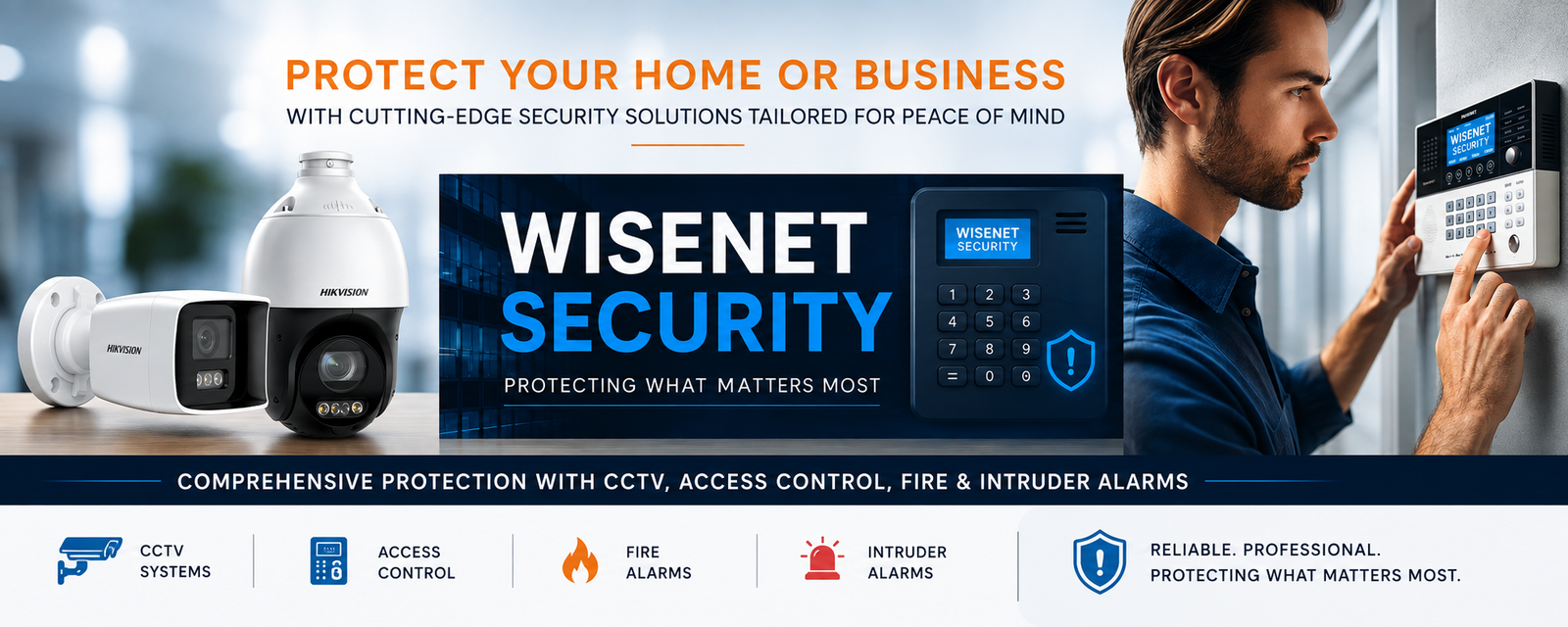
For property owners across South Wales and the South West of England seeking tailored security systems, wisenet security Ltd provides, installs, and maintains CCTV, intruder alarms, access control, fire alarms, and gate automation across Caerphilly, Cardiff, Newport, Swansea, Bristol, Barry, and Pontypridd.
Summary of Key Takeaways
- Targeted Planning: Effective protection relies on a thorough site survey to identify specific structural vulnerabilities before equipment selection.
- System Selection: Wired alarms suit new builds or major renovations, wireless options minimize disruption in finished properties, and hybrid setups offer flexible expansion.
- Integrated Safety: Combining intruder alarms with CCTV, fire detection, and access control delivers comprehensive, multi-layered property defense.
- Ongoing Maintenance: Regular inspection by qualified technicians ensures sensors remain accurate and system batteries function during power outages.