
Blind Spots and Unwanted Visitors: How Professional Video Door Entry Installation Solves Property Vulnerabilities
Peering nervously through a spyhole late at night, guessing who is standing on your porch, or finding valuable delivery parcels stolen from your doorstep are all too common frustrations. For business managers and multi-occupancy building owners, the issue is often worse: unauthorized individuals slipping through entryways simply because an employee buzzed open a door without visual verification.
Audio intercoms and traditional doorbells rely entirely on trust. Unfortunately, blind spots around entrances leave occupants vulnerable to opportunists, unwanted callers, and trespassing. Ignoring these security gaps leads to real consequences—from lost property and lower peace of mind to serious security breaches. A quick glance at local crime-stats-near-me demonstrates how property-related incidents and opportunistic theft continue to challenge property owners across urban and suburban neighborhoods alike.
The definitive way to regain control over your entrance is through a modern video door entry installation. Below, we break down the primary solutions available, their trade-offs, and how to select the right approach for your property.
Solution 1: Consumer Wireless Video Doorbells
For quick, surface-level coverage, consumer-grade battery or Wi-Fi video doorbells present an entry-level starting point.
How It Works
These units mount directly onto a wall or doorframe and connect to a home Wi-Fi network. When a visitor presses the button, an alert is pushed to a smartphone, allowing a two-way audio and one-way video call.
Trade-offs to Consider
While DIY wireless options are simple to purchase, they carry notable drawbacks for serious security:
- Latency and Signal Loss: Reliance on home Wi-Fi can lead to delayed notifications or dropped video feeds right when you need them most.
- Battery Maintenance: Recharging batteries every few weeks causes unexpected system downtime.
- No Physical Door Control: Basic consumer models usually cannot release an electronic door lock or open an automated perimeter gate.
Solution 2: Hardwired IP Video Door Entry Systems
For total reliability, high-definition video, and physical access control, a dedicated hardwired IP video door entry system is the gold standard for both residential properties and commercial premises.
How It Works
Hardwired systems transmit video and audio data over robust network cabling connected directly to internal touchscreen monitors and smart devices. Because the connection is physically wired, there are no battery changes, audio delays, or Wi-Fi drops.
Key Capabilities
- Electronic Lock Integration: Remotely release front door latches, magnetic locks, or automated gates with a single tap from an indoor screen or mobile app.
- High-Definition Night Vision: Infrared illuminators ensure crystal-clear video even in pitch-black conditions.
- Keyless Access Options: External panels often include built-in keypads, proximity card readers, or biometric scanners for authorized residents or staff.
Trade-offs to Consider
Hardwired systems require deliberate installation pathing and professional cable management. The initial setup requires more planning than basic battery units, but the long-term stability and security offered are vastly superior.
Solution 3: Integrated Multi-Point Security Systems
For comprehensive coverage, video door entry works best when combined with an overarching security infrastructure.
How It Works
Instead of operating as an isolated camera at the door, a fully integrated setup links your video door entry panel directly with wide-angle CCTV cameras, intruder alarms, and automated entry gates.
If a visitor approaches the perimeter, the door entry system alerts you while adjacent CCTV cameras capture secondary angles of the surrounding area. If an unauthorized attempt is made to force the entrance, integrated intruder sensors trigger an immediate alarm.
Choosing the Right Installation Path for Your Property
Implementing an effective video door entry installation involves three practical steps:
1. Audit Your Access Points: Identify primary and secondary entryways, including front gates, main doors, and side entrances.
2. Determine Access Control Needs: Decide whether you need basic monitoring or dynamic features like remote latch releases, keyfob access, or multi-tenant indoor monitors.
3. Opt for Professional Installation: Correct cabling, network configuration, and physical positioning are essential to eliminate blind spots and ensure uninterrupted performance.
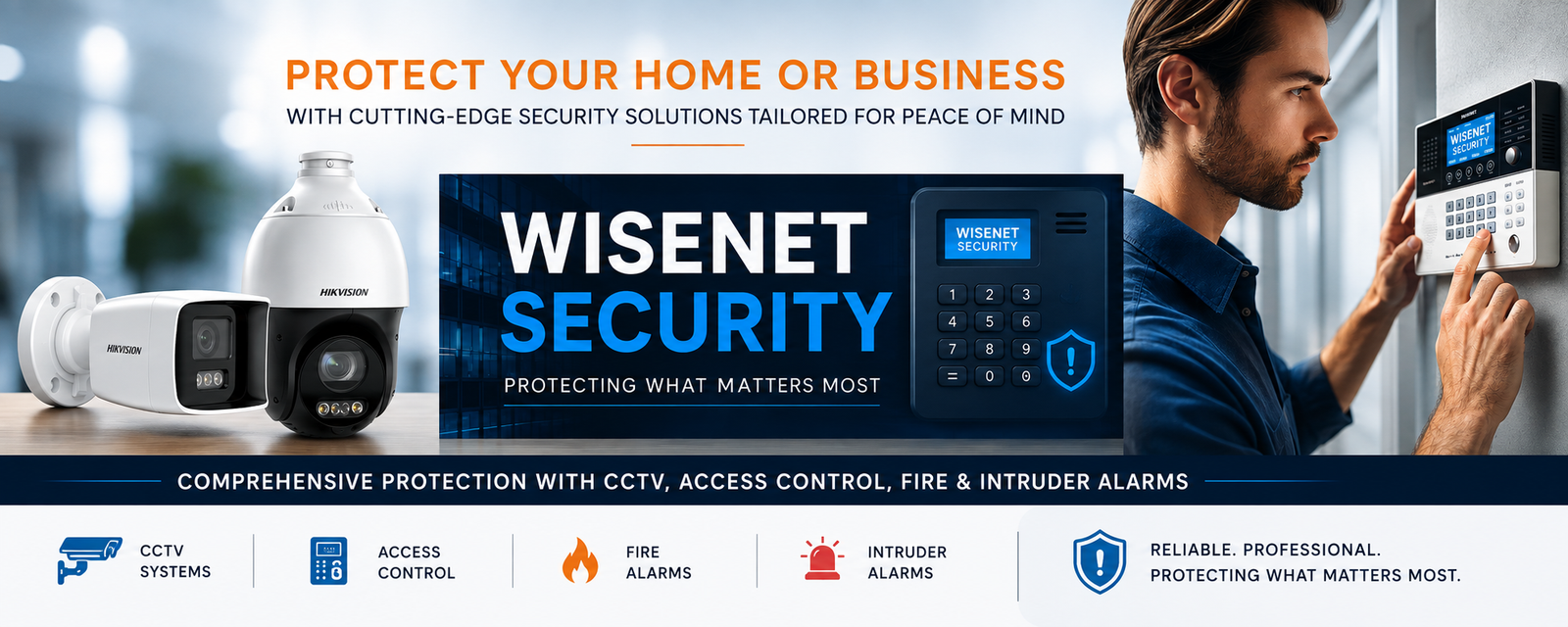
When you are ready to secure your building, professional assistance makes all the difference. wisenet security Ltd provides, installs and maintains tailored security systems—including CCTV, intruder alarm, access control, fire alarm, and gate automation across South Wales and the South West of England—including Cardiff, Newport, Swansea, Bristol, Barry, Caerphilly, and Pontypridd.
Take the Next Step Today
Don't leave your front door or commercial entrance to chance. Take back control of your building access today by evaluating your current entryway security, identifying critical blind spots, and seeking professional guidance on a tailored video door entry installation built to protect your property long into the future.