
Professional Hardwired CCTV vs. DIY Wireless Cameras for Roath Properties
Roath is one of Cardiff's most vibrant areas, characterized by busy commercial streets like Wellfield Road and Albany Road, alongside classic Victorian terraces and modern residential flats. Protecting a home or business in this part of South Wales requires a clear understanding of security options, as property layouts and building materials can significantly impact how well a system performs.
When evaluating CCTV installation in Roath, property owners generally choose between two primary options: professionally installed hardwired IP CCTV systems and DIY wireless smart cameras. Both approaches have distinct advantages, depending on your building structure, security requirements, and budget.
Here is a side-by-side comparison to help you understand how these security approaches perform across essential criteria.
| Feature / Criterion | Hardwired IP CCTV Systems | DIY Wireless Smart Cameras |
|---|---|---|
| Signal Reliability | Maximum (Dedicated network cabling) | Variable (Relies on Wi-Fi stability) |
| Performance in Older Homes | Excellent (Unsurffected by solid brick walls) | Moderate (Wi-Fi signals can be blocked by thick masonry) |
| Video & Storage Capabilities | Continuous 24/7 high-definition recording | Motion-triggered event clips |
| Maintenance Level | Low (Powered continuously over ethernet) | Moderate to High (Requires battery recharges/swaps) |
| Installation Requirement | Professional cable routing and mounting | Simple user self-installation |
Option 1: Hardwired IP CCTV Systems
Hardwired IP (Internet Protocol) systems transmit high-definition video data and power through network cables directly connected to a central Network Video Recorder (NVR).
Strengths
- Unmatched Signal Stability: Because signals travel over physical cables rather than through the airwaves, video feeds do not suffer from network lag or wireless interference.
- Built for Solid Construction: The Victorian stone and solid brickwork typical of Roath properties present serious obstacles for wireless signals. Wired systems easily overcome these architectural barriers.
- 24/7 Continuous Recording: Instead of relying on motion sensors to wake up the camera, hardwired systems record continuously to local hard drives, capturing every detail uninterrupted.
Weaknesses
- Complex Setup: Installing cables neatly along exterior brick or through internal walls requires specialized tools and expertise.
- Less Portable: Once installed, hardwired cameras are intended as permanent fixtures, making them less flexible if you plan to move standard equipment around frequently.
Who It Suits Best
Hardwired IP systems are ideal for local shopkeepers, commercial premises, and homeowners seeking high-grade, permanent security. They are particularly beneficial for period properties where thick walls degrade wireless coverage.
Option 2: DIY Wireless Smart Security Cameras
DIY wireless security cameras connect to your existing home Wi-Fi network and transmit video clips to cloud storage or smartphone applications, often running on rechargeable batteries.
Strengths
- Quick Setup: Without the need to run cabling back to a central recording device, wireless cameras can be mounted quickly using basic household tools.
- Portability for Renters: Wireless units can be unmounted and relocated easily without causing major structural changes, making them popular for tenant-occupied properties.
- Integrated Mobile Alerts: Most DIY units come bundled with intuitive mobile software designed for straightforward smartphone notifications.
Weaknesses
- Battery Downtime: Rechargeable units require periodic maintenance. If a battery dies while you are away, security coverage is lost until it is recharged.
- Wi-Fi Vulnerabilities: Thick interior walls, microwave interference, or high network congestion can cause missing frames or dropped connection logs.
- Ongoing Subscription Costs: Accessing historical footage beyond a few hours often requires recurring monthly cloud storage fees.
Who It Suits Best
DIY wireless cameras suit short-term tenants or property owners looking for basic monitoring on compact, modern builds with strong internal Wi-Fi coverage. If you are attempting a basic self-installation, watching guides such as How to install an IP camera can help you understand basic mounting and network connection steps.
Which Should You Choose? The Verdict
Choosing the right camera system comes down to your property type, long-term plans, and operational needs:
- Choose Hardwired IP CCTV if: You own a commercial business, operate a high-value residential property, or live in a Victorian property with thick brick walls. For long-term peace of mind and full continuous footage, wired systems remain the industry standard.
- Choose DIY Wireless if: You rent your accommodation, need a fast non-permanent solution, or want basic monitoring for small spaces where drilling cabling isn't practical.
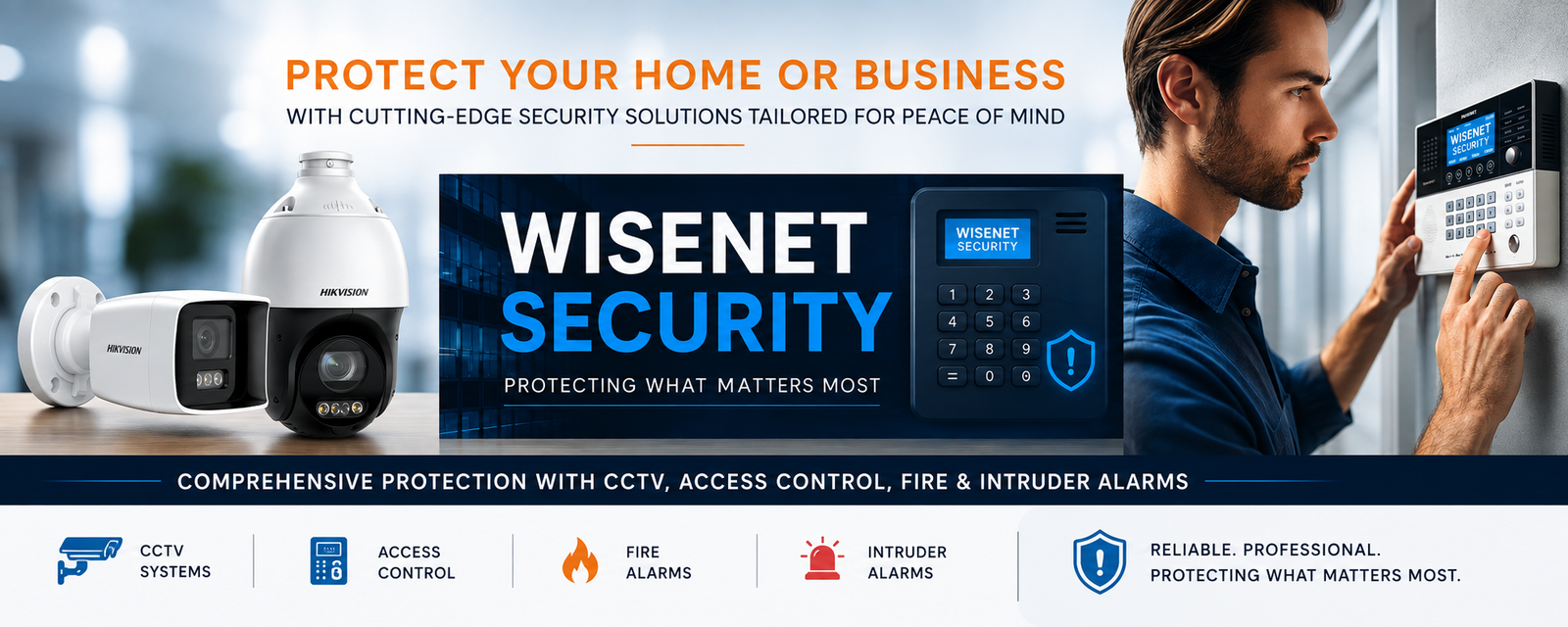
For comprehensive protection tailored specifically to your premises, professional guidance ensures your setup operates without blind spots. At wisenet security Ltd, we provide, install and maintain tailored security systems—including CCTV, intruder alarms, access control, fire alarms, and gate automation—across South Wales and the South West of England, serving areas including Cardiff, Newport, Swansea, and Bristol.
Whether securing a retail storefront or upgrading residential defense, choosing a robust strategy for CCTV installation in Roath ensures your property stays monitored round the clock with total reliability.