A Guide to Security System Upgrades: Modernising Property Protection
Security technology evolves rapidly. Systems installed even five to ten years ago often rely on hardware and transmission standards that struggle to counter modern security risks. A security system upgrade involves replacing, retrofitting, or expanding legacy equipment—such as surveillance cameras, intrusion sensors, or door controls—with modern, interconnected solutions.
Whether safeguarding a private residence or a commercial facility, understanding how and when to upgrade ensures your building remains protected against unauthorized access and operational disruptions.
Signs Your Security System Needs an Upgrade
Hardware components naturally degrade over time, and software protocols can become obsolete. Recognizing early indicators of system fatigue helps prevent security lapses before a failure occurs.
1. Low Video Resolution and Poor Night Vision
Legacy closed-circuit television (CCTV) setups typically rely on low-resolution analogue signals. This often results in grainy, dark footage that makes identifying faces, vehicle registration plates, or fine details difficult—especially at night. Upgrading to high-definition IP cameras provides sharp imagery and improved low-light performance.
2. Lack of Remote Monitoring Capabilities
Older security configurations usually require physical presence at a central control panel or dedicated display unit to view system status. Modern systems connect securely to local networks and smartphones, enabling real-time alerts, remote live viewing, and instant notification of security events.
3. Frequent False Alarms and Component Failures
Aging intruder alarms often suffer from degraded wiring, worn sensor membranes, or failing backup batteries. Repeated false alarms cause nuisance, deplete battery power, and can lead occupants or neighbors to ignore genuine alert signals.
4. Property Structural Changes or Business Growth
Building extensions, reconfigured internal layouts, or changes in staff movement patterns can create blind spots in an existing layout. Updating entry systems or adding perimeter protections ensures newly created zones receive complete coverage.
Core Areas for Security System Upgrades
Upgrading does not always require replacing an entire security infrastructure simultaneously. Many property owners choose targeted enhancements across specific sub-systems.
CCTV and Video Surveillance
Transitioning from analogue cameras to Network Video Recorders (NVRs) and digital IP cameras drastically improves clarity and analytical capability. Modern CCTV systems can include features such as line-crossing detection, smart motion detection, and cloud-backed recording redundancy.
Intruder and Fire Alarms
Upgrading intruder alarm panels allows for dual-path signaling, using both landline/broadband networks and cellular backups. This ensures alert transmission remains active even if external wiring is cut. Similarly, modernizing fire alarm systems ensures rapid detection of smoke or sudden thermal increases, minimizing risk to life and property.
Access Control and Gate Automation
Traditional mechanical keys are easy to lose, duplicate, or misplace. Modern access control solutions substitute keys with encrypted keycards, keyfobs, or digital credentials managed via mobile devices. Adding or updating automated gate controls provides controlled entry at the perimeter level, preventing unauthorized vehicles from entering the site.
Key Benefits of Modernising Your System
Investing in security system upgrades delivers several concrete operational benefits:
- Improved Detection Accuracy: Modern sensors use advanced filtering algorithms to significantly reduce false alarms triggered by weather or small animals.
- Unified System Integration: Upgraded setups allow CCTV, intruder alarms, fire detection, and access control to interact seamlessly under unified management tools.
- Scalability: Digital security platforms allow seamless addition of extra cameras, sensors, or door controllers as property requirements expand.
Planning and Implementing an Upgrade
Successful upgrades begin with a clear evaluation of current vulnerabilities. Property owners should audit existing blind spots, test device battery health, and identify components that no longer receive manufacturer software updates.
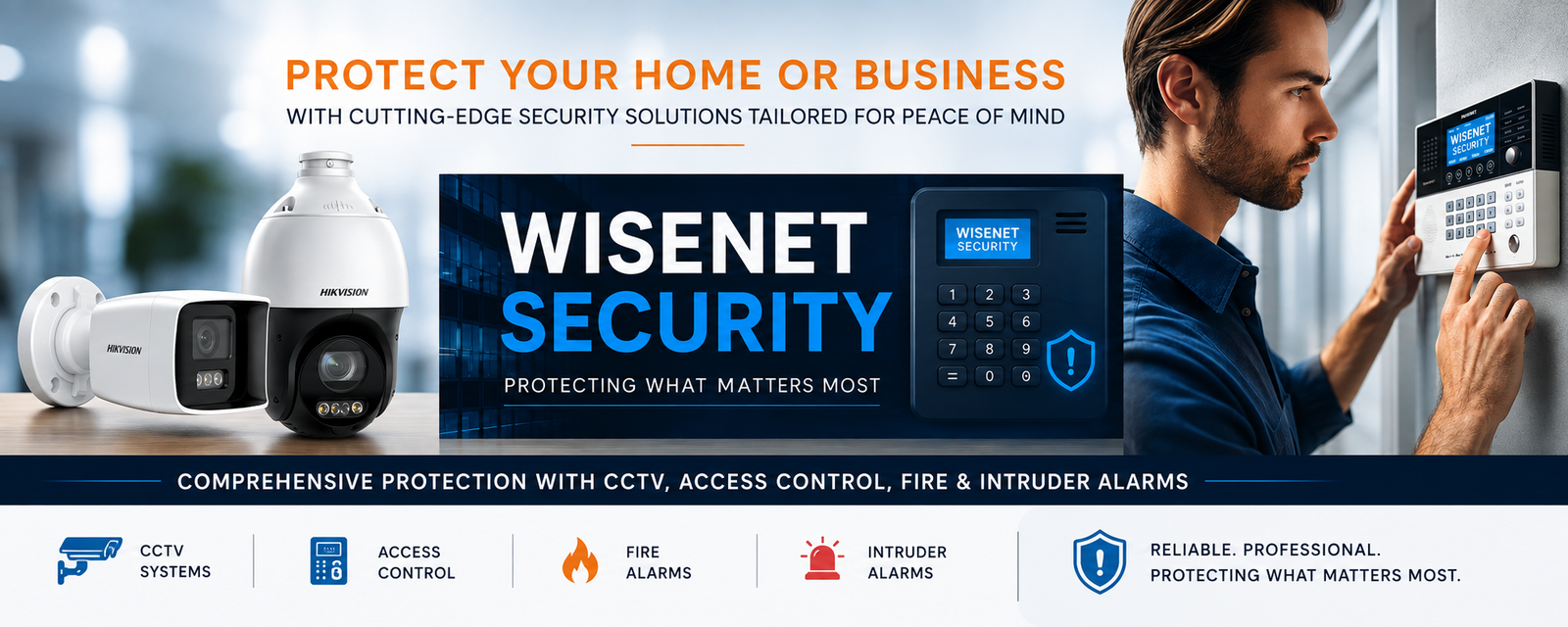
For residential and commercial property owners across South Wales and the South West of England—including areas such as Cardiff, Newport, Swansea, Bristol, Barry, Caerphilly, and Pontypridd—working with specialist installers ensures systems are configured to suit exact building specifications. For expert assistance in designing, installing, and maintaining tailored security systems, consulting with Wisenet security in cardiff provides access to reliable advice on modernising CCTV, intruder alarms, access control, fire alarms, and gate automation systems.
Summary of Key Takeaways
- Security system upgrades modernize aging hardware to deliver clearer video footage, remote monitoring, and greater operational reliability.
- Key signs that indicate an upgrade is due include low image quality, frequent false alarms, hardware degradation, and unmonitored physical extensions.
- Upgrades can be targeted across specific areas, such as moving to IP CCTV, implementing smart intruder alarms, updating fire detection, or installing modern access control and gate automation.
- Systematic planning ensures new security investments integrate efficiently with existing infrastructure while providing scalable protection for the future.
Looking for a local installer? Wisenet Security provides security system installation in Cardiff and across South Wales. Call 029 2252 0809 or request a free survey.