
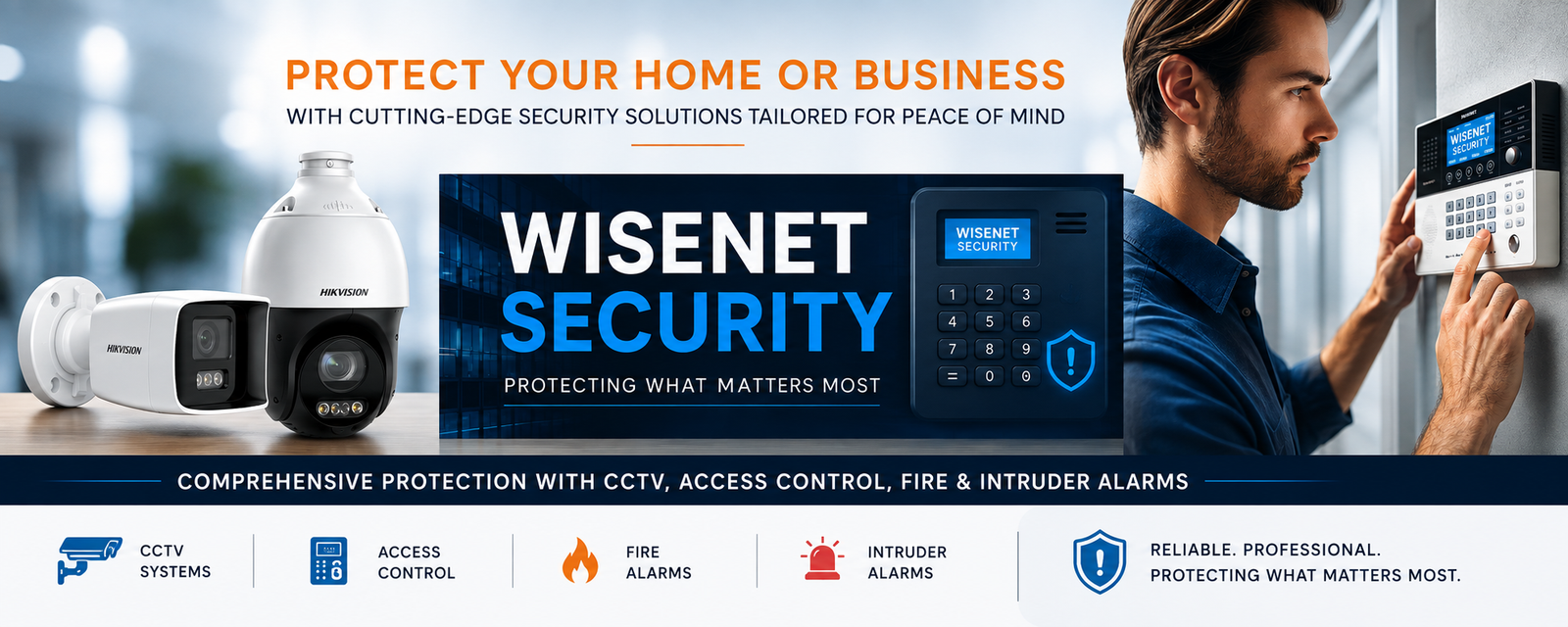
A Complete Guide to Business Security Systems in Cardiff: Protecting Commercial Premises
Commercial security is a primary consideration for business owners operating across urban and industrial sectors. In growing economic hubs across South Wales, maintaining operational continuity while safeguarding assets, personnel, and data requires a clear understanding of modern security infrastructure. Selecting effective business security systems in Cardiff involves evaluating specific operational risks, property layouts, and technical requirements.
This guide provides an objective overview of key commercial security components, how they function together, and fundamental considerations when planning a security installation.
Core Components of Commercial Security Systems
A comprehensive security setup relies on several distinct sub-systems working in tandem. Depending on the size and nature of the commercial property, these technologies can function independently or as a unified network.
1. Closed-Circuit Television (CCTV)
CCTV refers to a dedicated video system that transmits signals from cameras to specific monitors or recorders. Modern digital systems utilize Internet Protocol (IP) cameras, which send and receive data via an Ethernet network or wireless connection. High-definition visual monitoring serves two primary functions: deterring prospective criminal activity and capturing clear evidence should an incident occur.
2. Intruder Alarms
An intruder alarm system is designed to detect unauthorized access into a building or restricted perimeter. These systems rely on network sensors, including Passive Infrared (PIR) motion detectors, glass-break sensors, and magnetic door/window contacts. When a sensor detects a breach, the control unit triggers local audible sounders and can alert designated managers or remote monitoring centers.
3. Access Control Systems
Access control replaces traditional physical keys with electronic authentication. By deploying keycards, RFID key fobs, PIN pads, or biometric readers, management can restrict entry to specific zones—such as server rooms, store cupboards, or management suites—and track personnel movement throughout the site in real time.
4. Fire Alarm Systems
Fire detection equipment provides early warnings regarding heat, smoke, or fire hazards. Integrated smoke detectors, heat sensors, and manual call points linked to a central control panel ensure rapid staff evacuation and early emergency response, limiting potential damage to property and life.
5. Gate Automation and Perimeter Defense
Perimeter security marks the first layer of defense. Automated sliding or swing gates, turnstiles, and rising arm barriers control vehicle and pedestrian entry at the property boundary, preventing unauthorized site access before individuals reach physical building entrances.
Tailoring Security Solutions to Business Environments
Commercial facilities in Cardiff range from high-footfall retail units in the city centre to office buildings in business parks and light industrial units in areas like Caerphilly, Barry, Pontypridd, and Wentloog. Each setting presents unique operational requirements:
- Retail Properties: Focus heavily on loss prevention, monitoring point-of-sale transactions, and covering customer entrances.
- Office Complexes: Prioritize access control to manage employee schedules and visitor flow, paired with discreet CCTV coverage in corridors and entryways.
- Warehouses and Logistics: Require robust perimeter defense, automated vehicle gates, and high-resolution cameras to monitor broad external yards and loading bays.
When reviewing system hardware, facility teams often assess camera specifications and wiring needs. Overview guides explaining How to install an IP camera demonstrate the basic technical steps involved, such as running network cabling, mounting housing brackets, and configuring Power over Ethernet (PoE) connections.
System Integration and Maintenance
While standalone devices provide immediate utility, integrating modern business security systems in Cardiff offers significantly greater protection. For instance, linking access control software with CCTV feeds enables the system to log a video snippet every time an access card is swiped at a restricted door.
Continuous system upkeep is equally essential. Physical security devices are exposed to environmental wear, power fluctuations, and potential tampering. Regular servicing ensures that standby batteries function, camera lenses remain aligned and clean, and alarm sensors operate without false triggers.
To ensure reliable ongoing protection, commercial operators frequently work with dedicated installers. Regional providers such as wisenet security Ltd deliver, install, and maintain tailored security solutions—including CCTV, intruder alarms, access control, fire alarms, and gate automation—across South Wales and the South West of England, covering areas such as Cardiff, Newport, Swansea, and Bristol.
Key Takeaways
- Layered Architecture: A complete commercial security strategy combines surveillance, intruder detection, access management, fire safety, and perimeter control.
- Environment-Specific Planning: Security configurations must account for specific risk profiles, whether managing retail footfall, office access, or industrial logistics.
- Integration Benefits: Connecting sub-systems—such as pairing access events with direct camera footage—improves visibility and incident response.
- Routine Servicing: Regular system maintenance is essential to prevent operational failures and preserve full site protection.