
Solving the Smart Home Security Dilemma: From Glitchy Gadgets to Total Protection
You spent your weekend unboxing wireless cameras, drilling brackets into exterior brickwork, and pairing devices to your smartphone. Yet, just a few weeks later, the frustration sets in. Your phone chimes constantly with false notifications triggered by passing traffic or wind-blown branches, yet when a delivery driver leaves a package on your porch, the camera records only a blank screen due to a delayed motion sensor. Worse still, your smart devices operate on separate apps, leaving you toggling between screens just to check if your entry points are clear.
This scenario is increasingly common for homeowners across South Wales and the South West of England. What was promised as effortless peace of mind often turns into a fragmented, unreliable network of gadgets.
Why Off-the-Shelf Smart Systems Fail
DIY smart home equipment heavily relies on consumer-grade Wi-Fi signals and battery power. Properties in areas like Cardiff, Newport, Barry, or the steep valley terrain of Caerphilly and Pontypridd often feature dense stone or brick construction. These materials significantly degrade wireless signals, leading to frequent connection dropouts, delayed recording triggers, and rapid battery drain.
Leaving these issues unaddressed carries a real cost. Beyond the annoyance of incessant notifications, a compromised security setup provides a false sense of safety. When critical footage is missed or an alarm fails to sound during an intrusion, the financial and emotional toll of lost property can be severe. A quick review of crime rankings in Cardiff and surrounding urban centres reinforces the importance of maintaining an active, dependable security perimeter.
Fortunately, you can bridge the gap between convenient smart technology and robust property protection. Here is how to solve the smart home security dilemma.
Solution 1: Shift from Isolated Gadgets to a Unified Ecosystem
The primary flaw in many self-installed setups is fragmenting your security across different manufacturers. One brand handles the doorbell, another manages indoor cameras, and a third controls smart lighting.
How to Implement It
To create a truly secure property, transition to an integrated framework where all security components communicate with one another.
- Centralised Management: Ensure all devices feed into a single, reliable platform so an intruder alert automatically turns on exterior lights and initiates HD video recording.
- Hybrid Connectivity: Hardwire high-bandwidth components like CCTV cameras wherever possible, reserving wireless connections strictly for low-power sensors.
Trade-offs: Moving to a unified system requires careful planning and a higher initial outlay compared to buying off-the-shelf camera multi-packs. However, it eliminates app clutter and guarantees that your system responds instantly when a breach occurs.
Solution 2: Optimize Camera Placement and Power Networks
Mounting a camera where it is easiest to reach rarely coincides with where it is most effective. Common DIY mistakes include pointing cameras directly into light sources, mounting them too high (capturing the tops of heads rather than facial features), or leaving power cables exposed.
How to Implement It
- Conduct a Lighting Assessment: Position cameras to avoid direct glare from morning or evening sun, as well as ambient streetlights in busy areas like Bristol or Swansea.
- Establish Redundant Power: Ensure core recording units and alarms have battery backups or dedicated power supplies so local power outages do not leave your home exposed.
- Define Strategic Zones: Focus coverage on primary entry points, blind spots along side alleys, and long driveways rather than casting a wide, unrestricted lens over public pavements.
Trade-offs: Proper cabling and professional placement may involve running conduit or drilling through exterior walls, which takes time and precision. Yet, it dramatically reduces false alerts and ensures crisp, actionable footage.
Solution 3: Invest in Professional Smart Home Security Installation
While DIY kits appeal to hands-on homeowners, building a resilient security infrastructure often demands technical expertise in network stability, electrical safety, and physical mounting techniques.
Opting for professional smart home security installation ensures that every component—from CCTV camera angles to sensor sensitivity—is tailored specifically to your building's footprint. This is where partnering with established regional specialists makes all the difference.
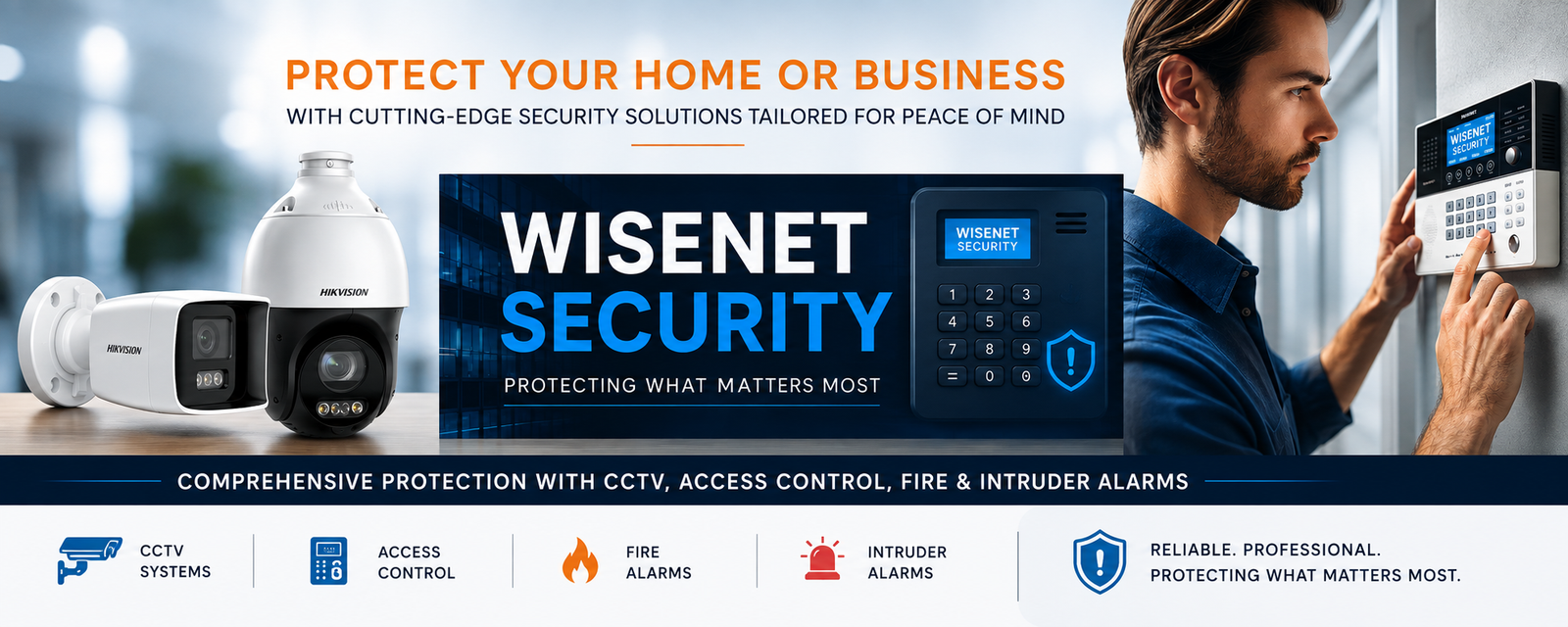
At wisenet security Ltd, we provide, install, and maintain tailored security systems for residential and commercial properties across South Wales and the South West of England—including Cardiff, Newport, Swansea, Bristol, Barry, Caerphilly, and Pontypridd. By evaluating your property's unique layout, our team designs integrated solutions covering CCTV, intruder alarms, access control, fire alarms, and gate automation.
Trade-offs: Professional installation requires scheduling a consultation and professional service fees. However, the long-term reliability, professional wiring, and ongoing maintenance support far outweigh the trial-and-error costs of continuous DIY troubleshooting.
Take the Next Step Toward Complete Peace of Mind
A smart home security system should simplify your life, not add another source of digital stress. If your current setup suffers from dropped signals, missed detections, or notification overload, it is time to upgrade to a system built for long-term performance.
Start today by conducting a thorough audit of your perimeter: check for blind spots, test your Wi-Fi strength at exterior doors, and verify that your motion zones are properly calibrated. For total confidence, reach out to local security experts who can assess your property and deliver a bespoke security system tailored precisely to your needs.