
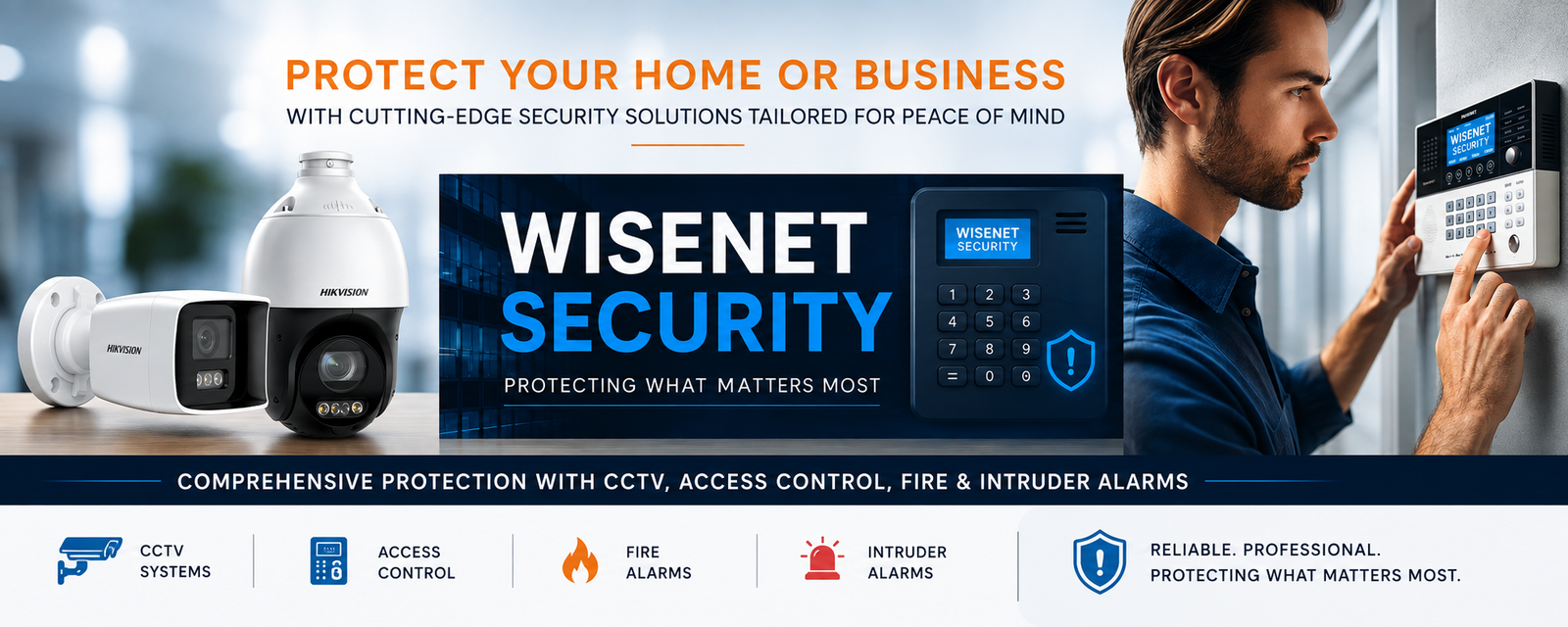
Upgrading Protection for Historic Properties: A Pontcanna Security System Case Study
Pontcanna is widely regarded as one of Cardiff’s most desirable neighborhoods, celebrated for its leafy avenues, Victorian architecture, and vibrant independent business scene. However, the unique architectural characteristics that give period properties in Pontcanna their charm—such as rear access lanes, large sash windows, and expansive layouts—can also present distinct security vulnerabilities.
Understanding how to safeguard these properties without compromising their aesthetic appeal requires a tailored strategy. While broad reports often highlight shifting trends across burglary hotspots in Wales, localized property dynamics dictate the exact security measures needed. This case study examines an illustrative scenario in Pontcanna, detailing how a comprehensive security upgrade addresses complex structural challenges to deliver reliable, discreet protection.
The Challenge
In this representative case, a combined residential and home-office property situated in Pontcanna required a complete security overhaul. The property suffered from several security bottlenecks typical of late-Victorian and Edwardian builds:
- Vulnerable Rear Access: A private rear courtyard bordering a shared lane created an unmonitored entry point out of sight from the main street.
- Architectural Sensitivity: Thick, solid brick internal walls created communication challenges for standard wireless signals, while external stone masonry meant visible cabling would ruin the facade.
- Multiple Access Requirements: The property needed a solution that allowed smooth daily access for residents while securing private office areas and monitoring visitors.
- Outdated Systems: Existing standalone equipment lacked modern remote monitoring, leaving the owners unaware of activity when away from the premises.
To address these risks effectively, the installation required high-performing security systems in Pontcanna that enhanced physical and electronic defense while preserving structural integrity.
The Approach
A successful security installation begins with a thorough risk assessment rather than a one-size-fits-all hardware package. The approach taken focused on three core principles: perimeter deterrence, internal detection, and smart access management.
To overcome the challenge of heavy brick construction and aesthetic limitations, a tailored hybrid methodology was planned. Key structural zones were mapped to establish line-of-sight coverage, clear detection pathways, and secure signal routing before any hardware was mounted.
What We Did
The implementation phase followed a methodical, step-by-step process to ensure every entry point was monitored and protected:
Step 1: Perimeter Defense and Gate Automation
To secure the primary vulnerability—the rear lane access—a robust automated gate system was integrated at the courtyard entrance. Gate automation provides a physical barrier that restricts unauthorized vehicle and pedestrian entry while allowing smooth, remote-controlled access for occupants.
Step 2: High-Definition CCTV Installation
Ultra-compact, weather-resistant CCTV cameras were strategically positioned to cover the courtyard, rear lanes, and front entryway. Cabling was discreetly routed along architectural boundary lines to remain completely concealed. The cameras were configured with intelligent detection capabilities to distinguish between genuine security threats and minor environmental triggers like falling leaves or wildlife.
Step 3: Multi-Zone Smart Intruder Alarms
To protect the interior, a smart intruder alarm system was deployed across distinct zones. Specialized sensors were installed to ensure reliable signal transmission despite the thick walls. The system was segmented so that the perimeter and ground floor could remain fully armed overnight while allowing free movement on the upper floors.
Step 4: Integrated Access Control
Keyless access control was fitted at primary entry points. This allowed the owners to manage permissions digitally, granting temporary entry access to visitors or service personnel without sharing physical keys or risking lost duplicates.
The Results
By combining perimeter barriers with modern monitoring, the property achieved a robust, multi-layered security posture.
- Complete Spatial Coverage: High-definition video surveillance eliminated blind spots around the secluded rear lane and courtyard.
- Immediate Awareness: Real-time push notifications delivered instant alerts to smartphones upon any perimeter breach, enabling rapid verification through live camera feeds.
- Preserved Aesthetics: Concealed wiring and compact hardware protected the architectural character of the property.
- Streamlined Access Control: Automated gates and electronic access simplified day-to-day entries while strengthening perimeter deterrence.
At wisenet security Ltd, this representative blueprint reflects how tailored security systems in Pontcanna and across South Wales—including Cardiff, Newport, Swansea, and Bristol—can be adapted to overcome unique property layouts.
What This Means For You
Whether you own a character home in Pontcanna, a commercial premises in Barry, or a suburban property in Caerphilly or Pontypridd, the methodology used in this scenario offers clear, actionable takeaways for your own security planning:
1. Evaluate Structural Weak Points First: Conduct a realistic assessment of your property’s perimeter. Rear lanes, unlit side passages, and secondary doors are statistically the most common entry targets.
2. Prioritize Layered Protection: Dependable security relies on multiple defensive layers—starting with physical barriers like gate automation, followed by visual deterrence via CCTV, and backed up by interior intruder alarms.
3. Select Tailored Systems Over Mass-Market Kits: Standard off-the-shelf security packages rarely account for thick historic walls or complex layouts. Tailored systems ensure full signal coverage and minimal aesthetic impact.
4. Demand Remote Integration: Modern security should offer real-time visibility. Ensure your intruder alarm and CCTV systems allow remote monitoring via smart devices so you remain informed wherever you are.
By analyzing your property's specific physical layout and applying a structured, multi-layer strategy, you can establish lasting protection tailored precisely to your environment.